
Schools are a brilliant place to start making a difference when it comes to tackling plastic pollution. From the classroom to the playground, there are plenty of opportunities to help young people understand the impact of plastic waste and encourage more sustainable habits.
The good news is that making a difference doesn’t have to mean making huge changes. Small, everyday actions can add up, helping to reduce waste while teaching children the importance of looking after our planet.
Here are five simple ways your school can reduce plastic waste!
1. Encourage reusable water bottles

Disposable plastic drinks bottles are a common sight in school bags, but making the switch to reusable alternatives is a simple way to reduce plastic waste.
Encourage pupils to bring a refillable water bottle to school each day and make sure there are accessible drinking water points around the school.
You could even introduce a class challenge to see how many pupils remember their reusable bottles throughout the week!
As part of our Waste Less Schools Initiative, we provide free reusable bottles to participating schools, helping children make the switch and develop habits they can carry with them beyond the classroom.
2. Introduce a sustainable lunchbox initiative
Lunchboxes are a great place to start when looking at ways to reduce single-use plastics in school. Individually wrapped snacks, cling film, plastic sandwich bags and disposable drinks bottles can quickly add up to a lot of unnecessary waste.
Why not introduce a sustainable lunchbox challenge? Encourage pupils to bring in reusable containers, refillable water bottles and snacks without excessive packaging.
You could even run a weekly or monthly challenge, rewarding classes that make the biggest effort to reduce their lunchtime waste. It’s a fun way to get children thinking about the packaging they use every day and the alternatives available.
3. Get involved in a litter pick with Life’s a Beach!


One of the best ways to help children understand plastic pollution is to get them outside and see the problem for themselves.
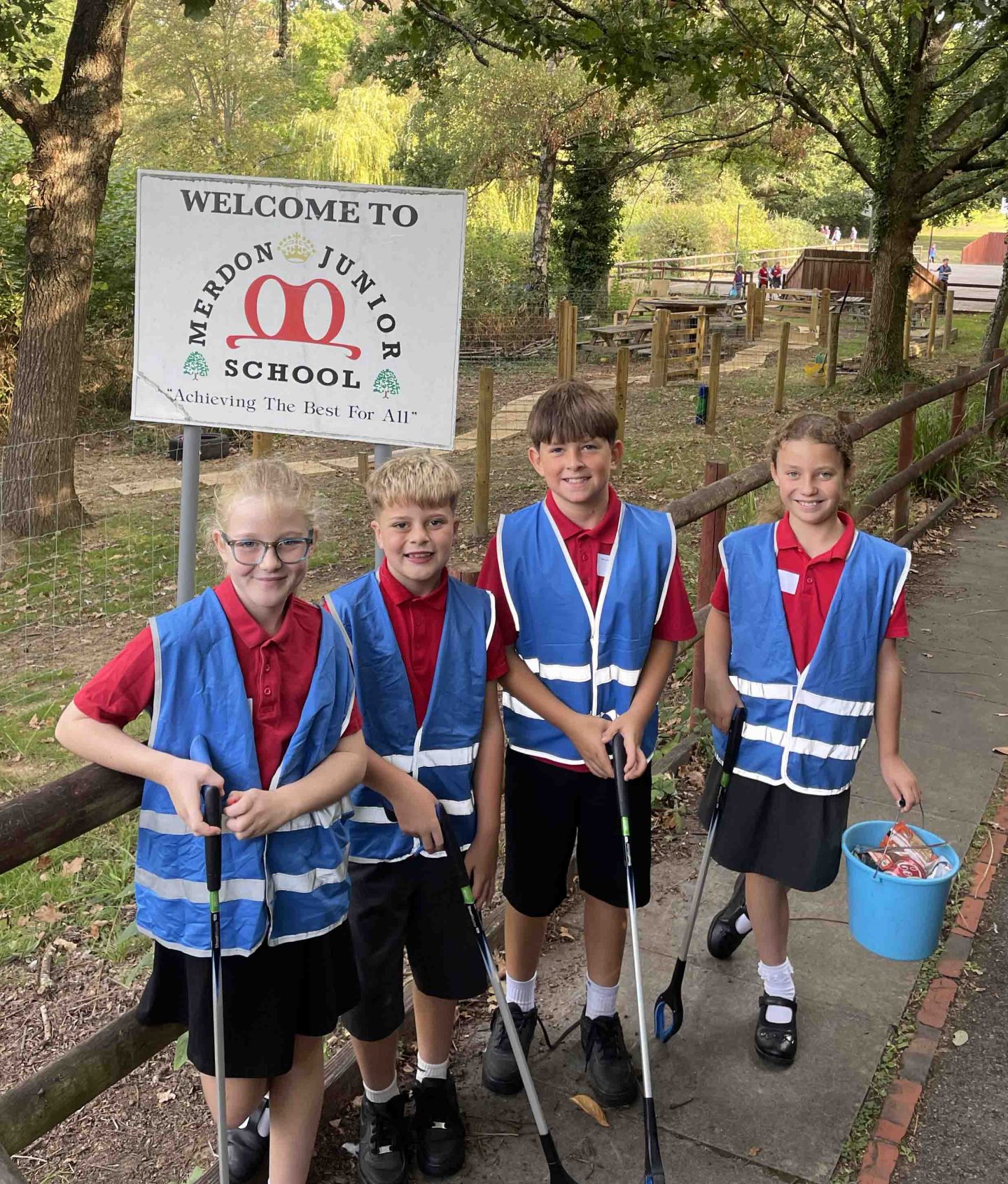
Organising a school litter pick is a fantastic opportunity to get pupils involved in protecting their local environment. Whether it’s the school grounds, a nearby park or a local green space, children can see first-hand how much litter ends up in the places we live, work and play.
At Life’s a Beach, we work with schools and community groups to organise litter picks, helping young people understand the impact of litter and the importance of taking responsibility for their surroundings.
Our Waste Less Schools Initiative also offers free school visits, combining educational workshops and assemblies with practical activities to inspire the next generation to make a difference.
Fancy getting your school involved? Get in touch with our team at hello@lifesabeach.org to find out more!
4. Think twice before laminating!
Laminating might seem like a convenient way to protect classroom resources, but most laminating pouches are made using a combination of plastic and other materials, making them difficult to recycle.
While laminating does have its uses, there are plenty of alternatives worth considering!
Try using reusable plastic wallets for worksheets, display materials that can be used year after year, or paper resources that can be recycled once they’re no longer needed.
You could also encourage staff to think about whether something really needs laminating before reaching for the laminator. A few small changes across the school can help prevent unnecessary plastic waste.
5. Launch a school-wide plastic pollution poster campaign


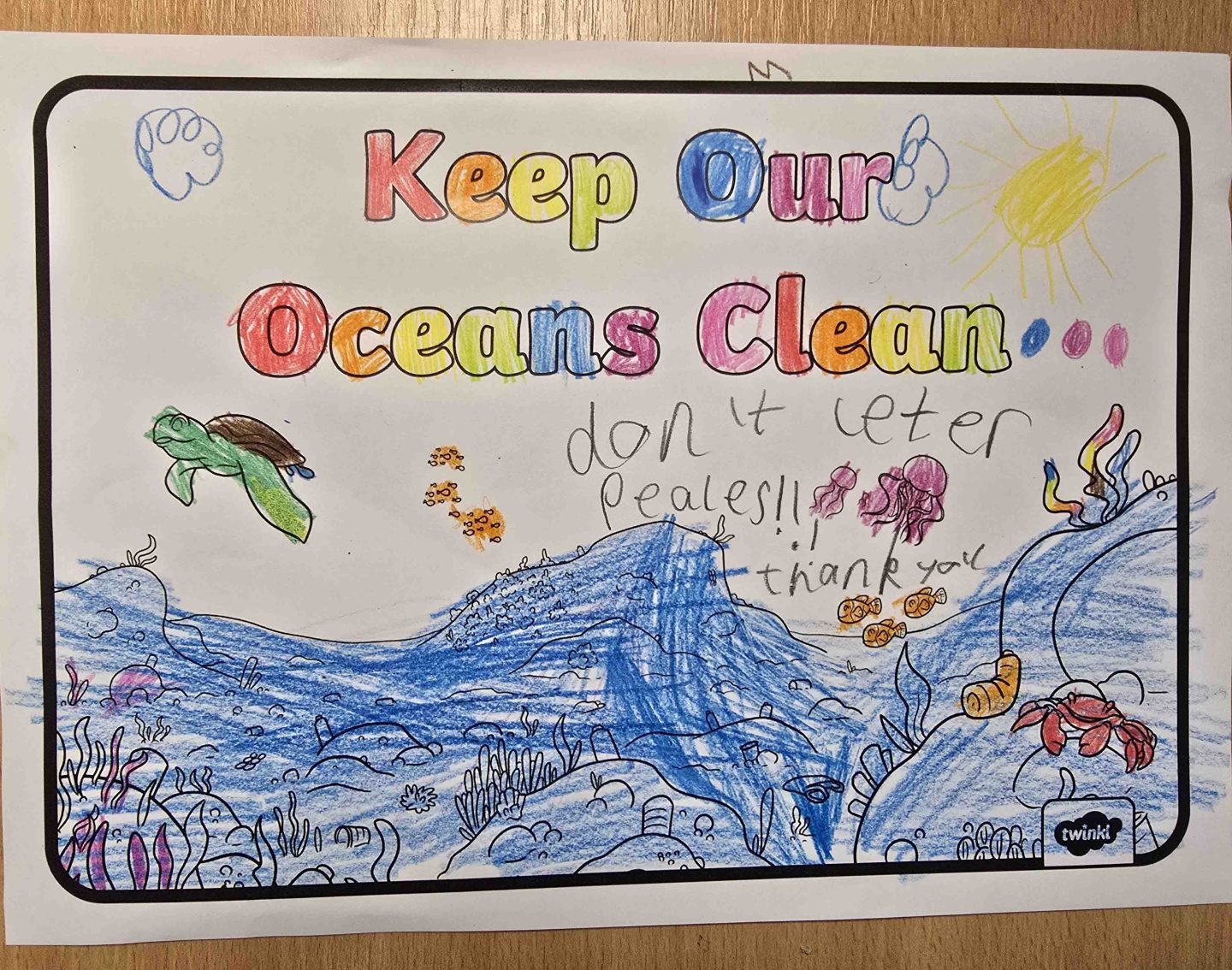
Get pupils thinking creatively about plastic pollution by launching a school-wide poster campaign!
Ask children to design their own posters highlighting the problems caused by plastic pollution and sharing simple ways everyone can help reduce waste. From reminding classmates to use reusable water bottles to encouraging litter-free playgrounds, there are plenty of messages they can get across.
Once finished, display the posters around classrooms, corridors and communal areas to spread the message throughout the school.
You could even run a competition, asking pupils to vote for their favourite designs or choosing a winning poster to feature in the school newsletter.
It’s a great way to combine creativity with environmental education, giving children the opportunity to share what they’ve learned and inspire others to make more sustainable choices.
Small changes, big differences!
Reducing plastic waste in schools doesn’t have to happen overnight. By making a few simple changes and getting pupils involved, schools can help create a culture where reducing waste becomes part of everyday life.
Most importantly, these small actions give children the opportunity to put what they learn into practice, showing them that everyone has a role to play in protecting our planet.
At Life’s a Beach, we’re passionate about helping young people understand plastic pollution and inspiring them to make positive changes. Through our Waste Less schools initiative, we work with primary schools across the UK to bring environmental education to life.
Want to help your pupils become the next generation of eco champions? Find out more about our free school visits and get in touch via hello@lifesabeach.org.

