
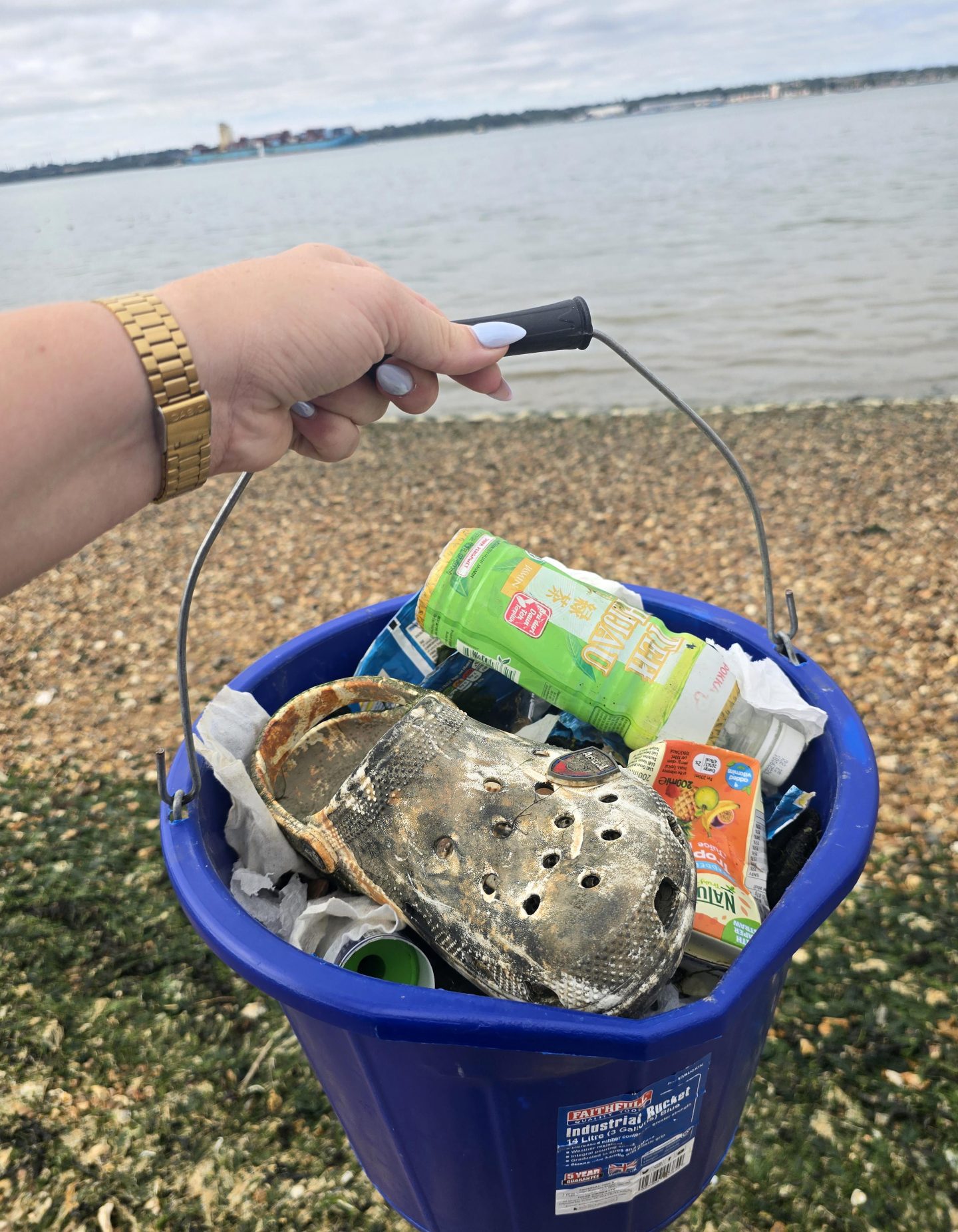
When we think about ocean and beach pollution, we often picture plastic bottles washed up on beaches, tangled fishing nets or plastic packaging floating out at sea, but have you ever stopped to think about where that litter actually comes from?
The truth is that a lot of the rubbish we find in our oceans doesn’t start there. It starts much closer to home, on our streets, in our parks, along pavements and even outside our schools. So, how does a crisp packet dropped on a pavement ,or a plastic bottle left in a park, end up in the ocean? Let’s follow the journey of litter from our doorstep to the sea.
It starts on our streets…
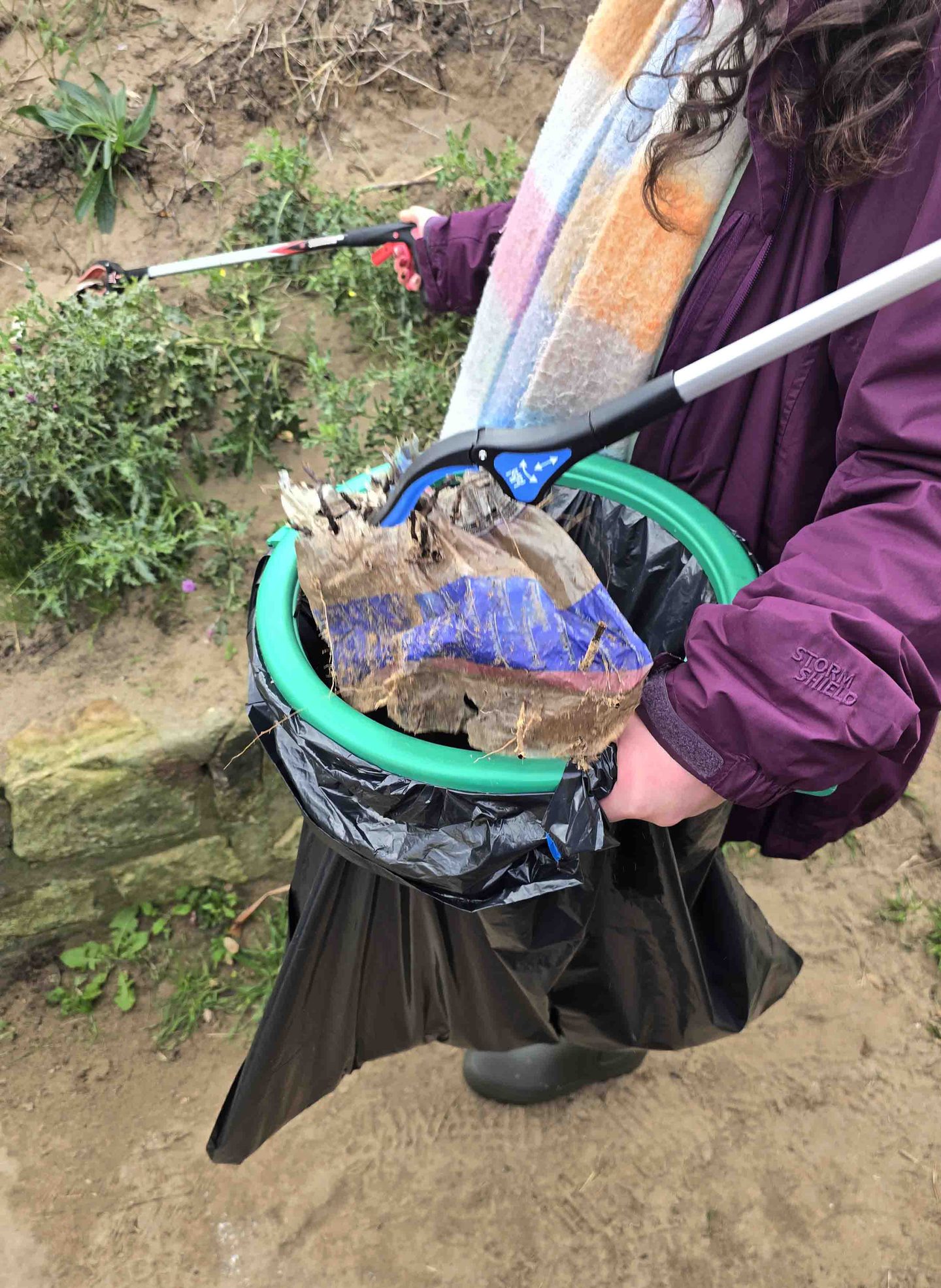
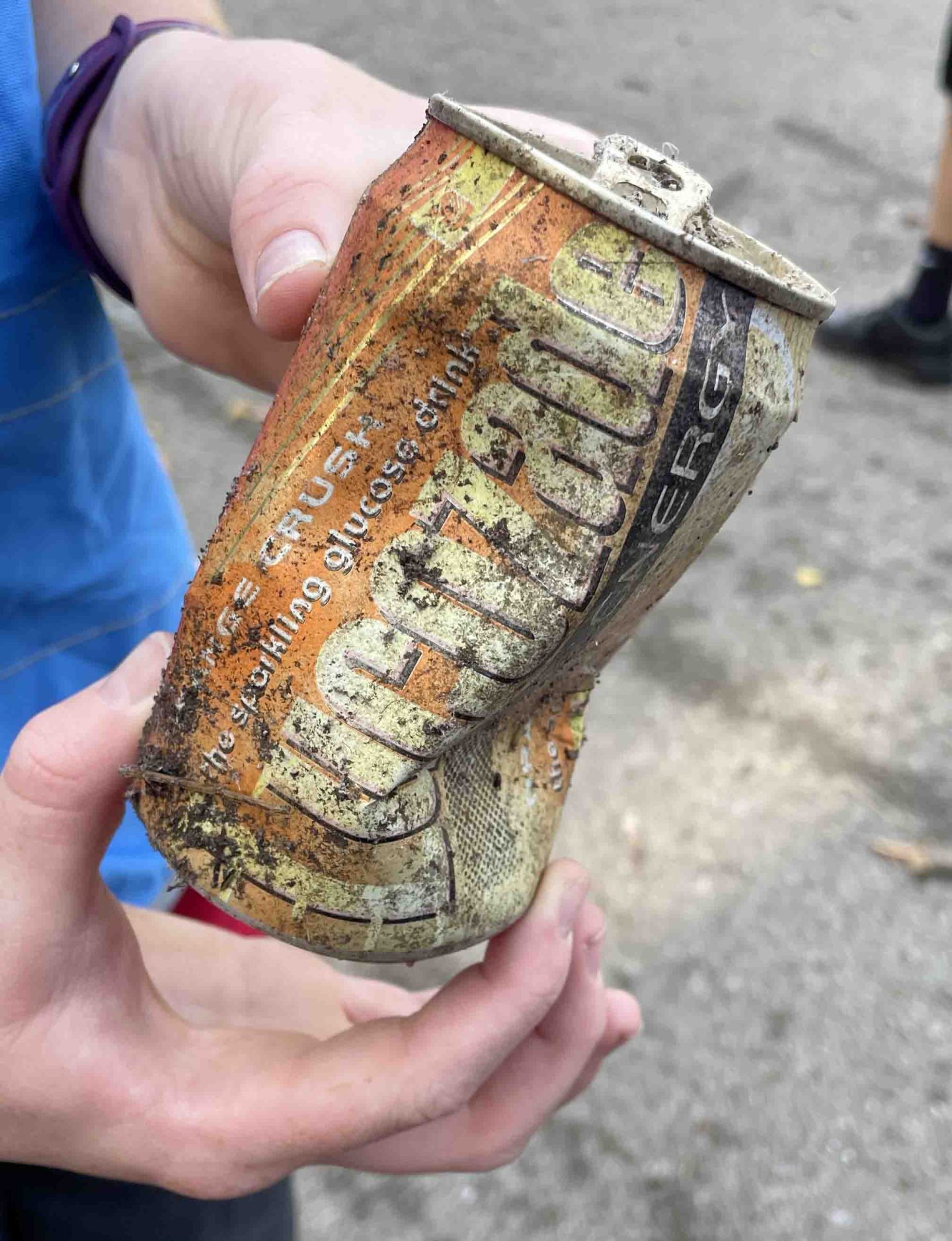
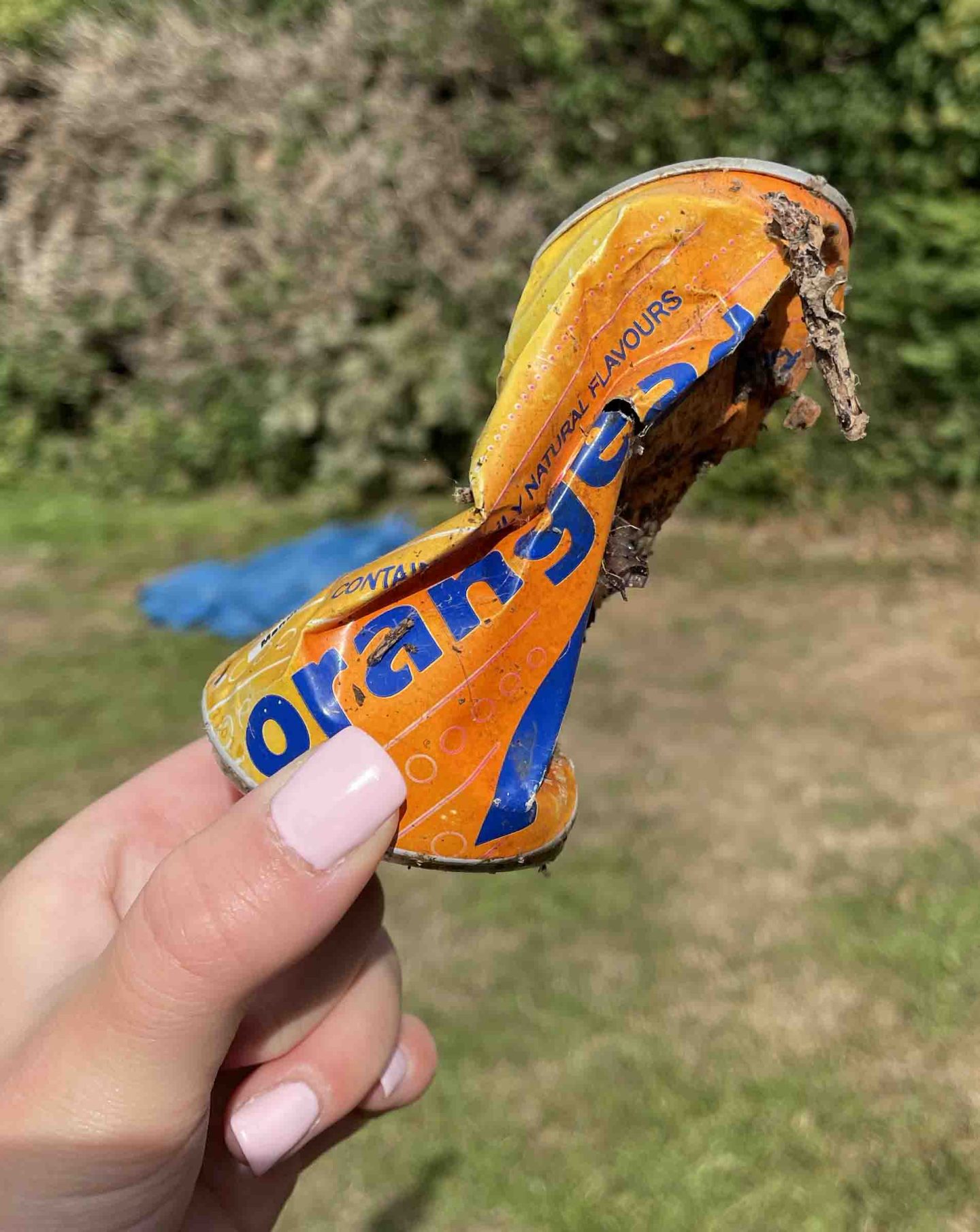
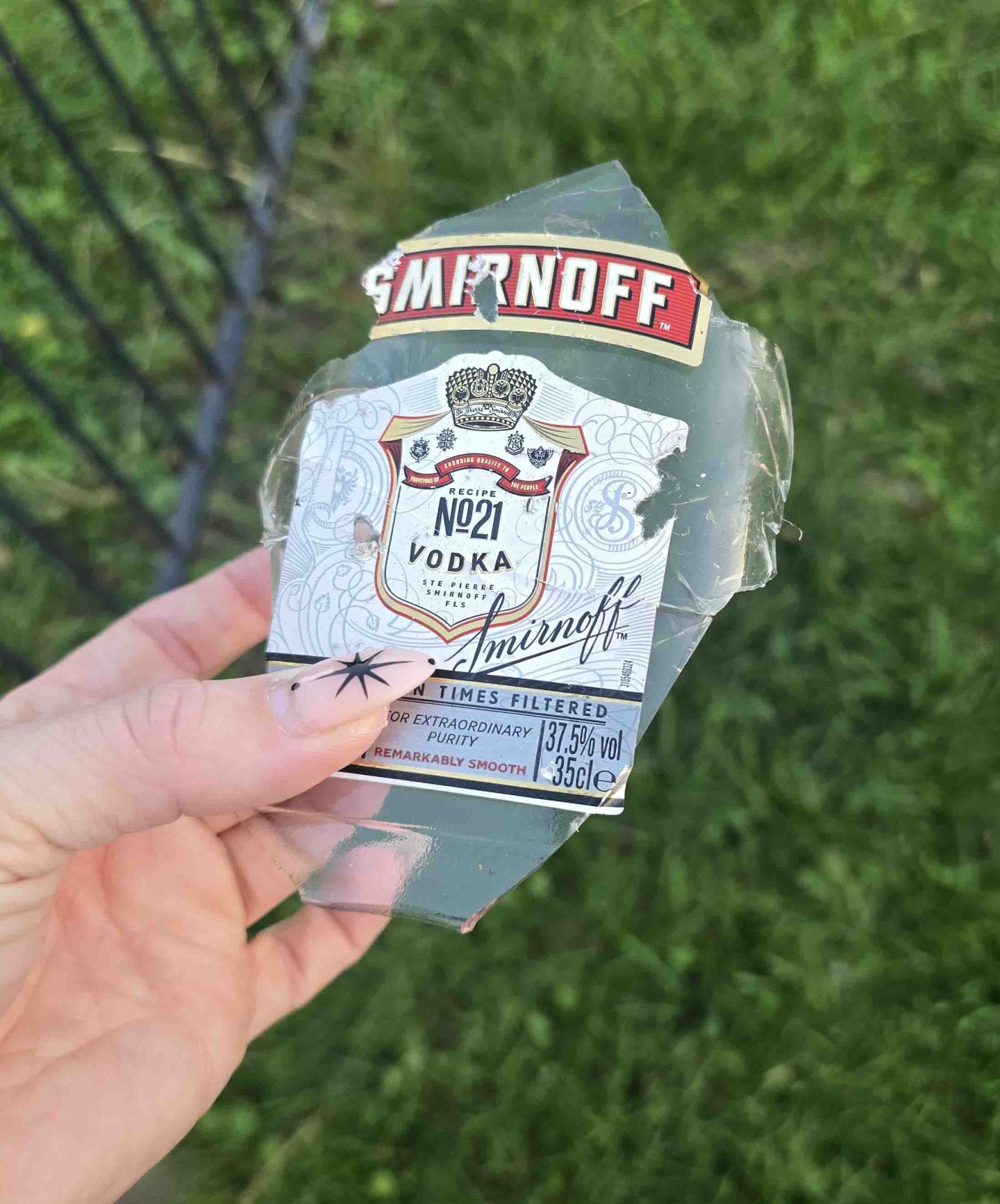
Litter can be found almost anywhere, from busy city centres and residential streets, to school playgrounds and local parks. Sometimes it’s dropped accidentally, left behind, or blown out of an overflowing bin. Other times, it’s simply dropped by someone who doesn’t think about where it might end up. Whatever the reason, once litter enters the environment, it doesn’t always stay where it’s dropped.
Rain carries it into our drains
When it rains, water runs off roads and pavements, picking up litter along the way. Lightweight items such as wrappers, plastic bags, cigarette butts, and bottle caps can easily be swept along by the flow of water. This water often enters roadside drains, which carry rainwater away from our streets and into nearby waterway, and here’s where things get interesting! Many surface water drains lead directly into rivers and streams, without the water being treated first. That means litter entering a street drain can find its way into our natural waterways surprisingly quickly.
From rivers to the sea
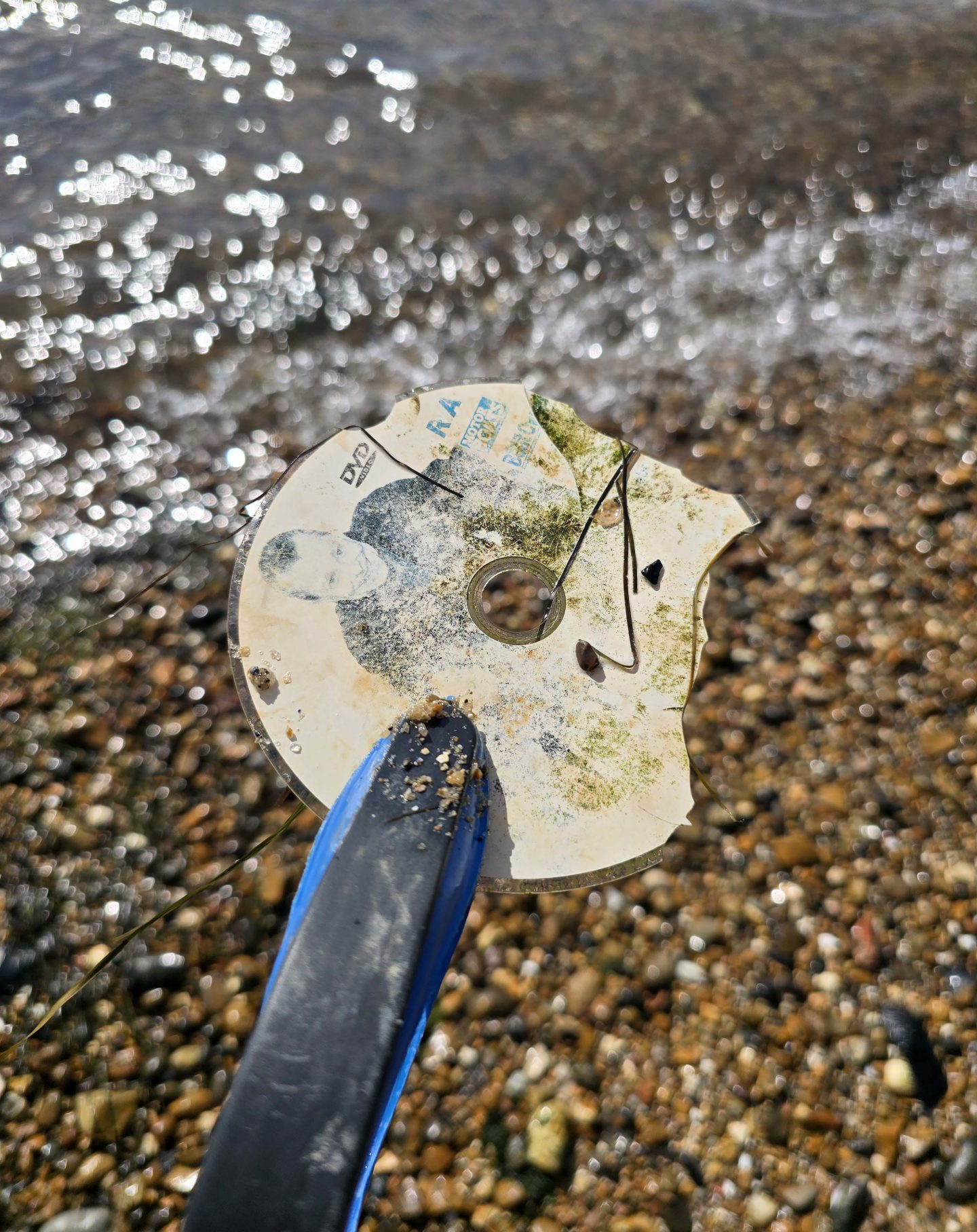
Rivers act like roads for plastic pollution, carrying litter downstream and eventually towards the coast. As water flows, it can transport rubbish over long distances, meaning something dropped miles inland could eventually end up on a beach or floating in the ocean. Along the way, larger plastic items can break down into smaller and smaller pieces through exposure to sunlight, weathering and physical movement. These tiny fragments are known as microplastics, which can be particularly difficult to remove from the environment.
Not all litter makes it all the way to the ocean, of course. Some gets caught in plant life, settles on riverbanks or becomes trapped along the way, but that doesn’t mean it disappears. It remains in the environment, where it can continue to cause harm.

Why does it matter?
Plastic pollution poses a serious threat to wildlife and marine ecosystems. Animals can mistake plastic for food, become entangled in discarded rubbish or be exposed to the chemicals associated with plastic waste. Once plastic reaches the ocean, it becomes much harder to collect and remove. That’s why preventing pollution before it enters our waterways is so important.
We often focus on cleaning up our beaches, but tackling the problem further inland is just as important. Every piece of litter picked up from a street, park or riverbank is one less piece that could make its way into the sea.
What can we do to stop litter reaching the ocean?
The good news is that we don’t have to live near the coast to make a difference. There are plenty of ways to help prevent litter from travelling through our waterways.
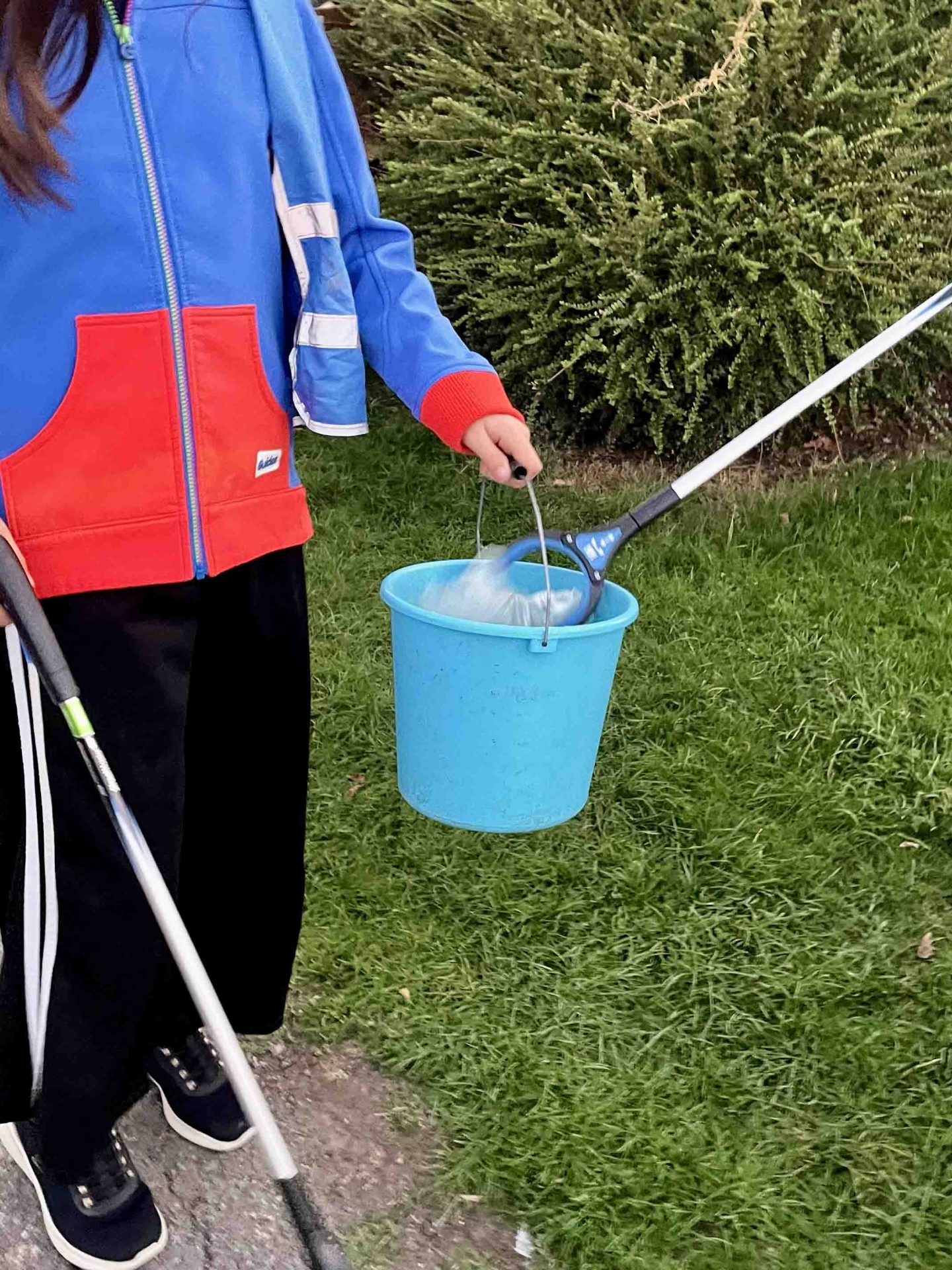
1. Pick it up when you see it: Take part in a local litter pick or simply pick up a few pieces of rubbish when you’re out and about (providing it’s safe to do so). Small actions really can add up!
2. Dispose of rubbish responsibly: Always put your waste in a bin or take it home if one isn’t available. Make sure rubbish is secured so it can’t be blown away, and recycle items wherever possible.
3. Reduce your single-use plastics: The less single-use plastic we use, the less potential waste there is to enter the environment. Try carrying a reusable water bottle, using a lunchbox and choosing reusable alternatives wherever you can.
4. Look after your local waterways: Join a river, canal or community litter pick. Keeping these areas clean helps prevent rubbish from travelling further downstream.
5. Spread the word: Help others understand that plastic pollution isn’t just a coastal problem. Talk to friends, family, schools and your local community about how litter travels and why preventing it matters.
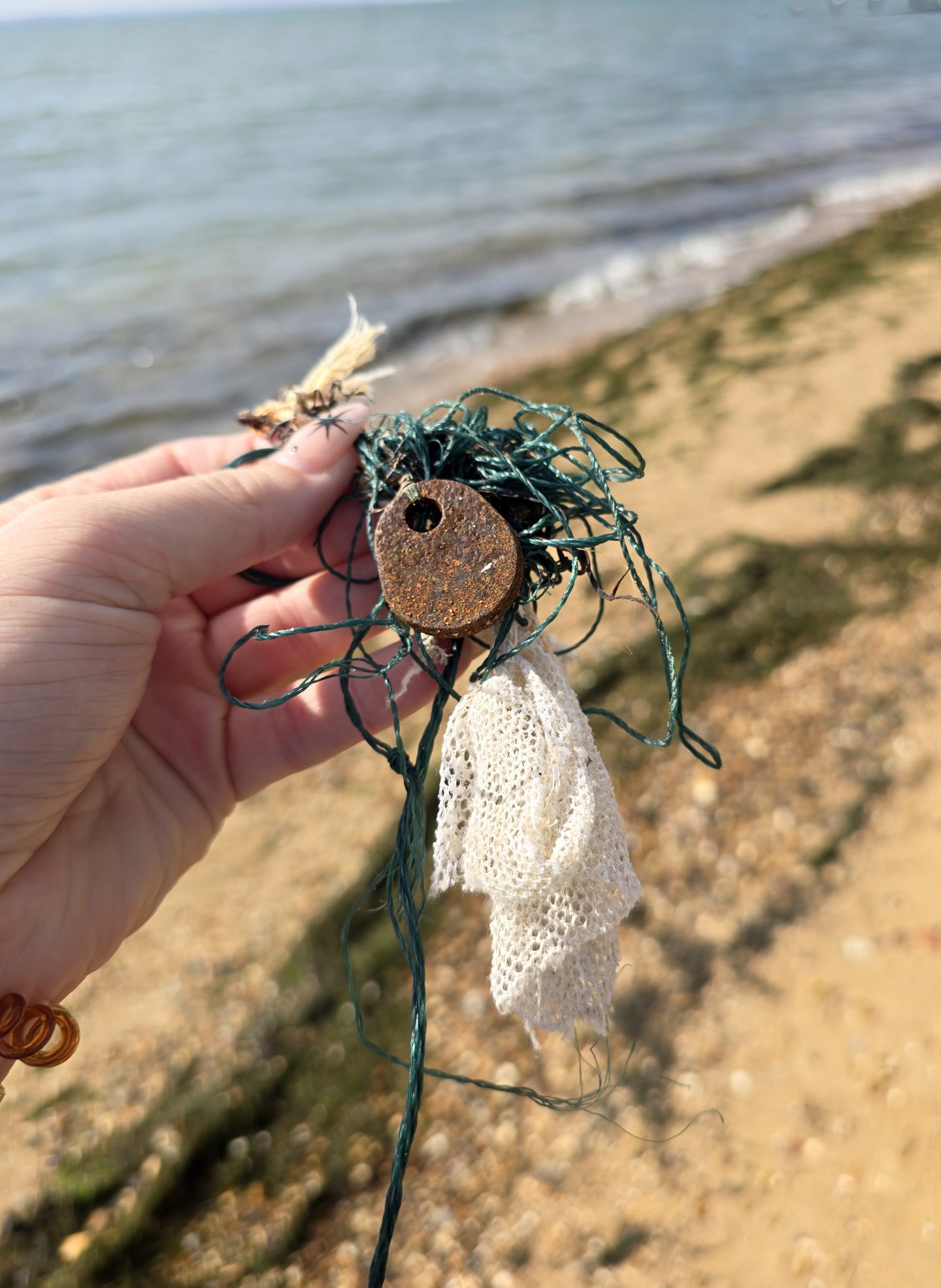
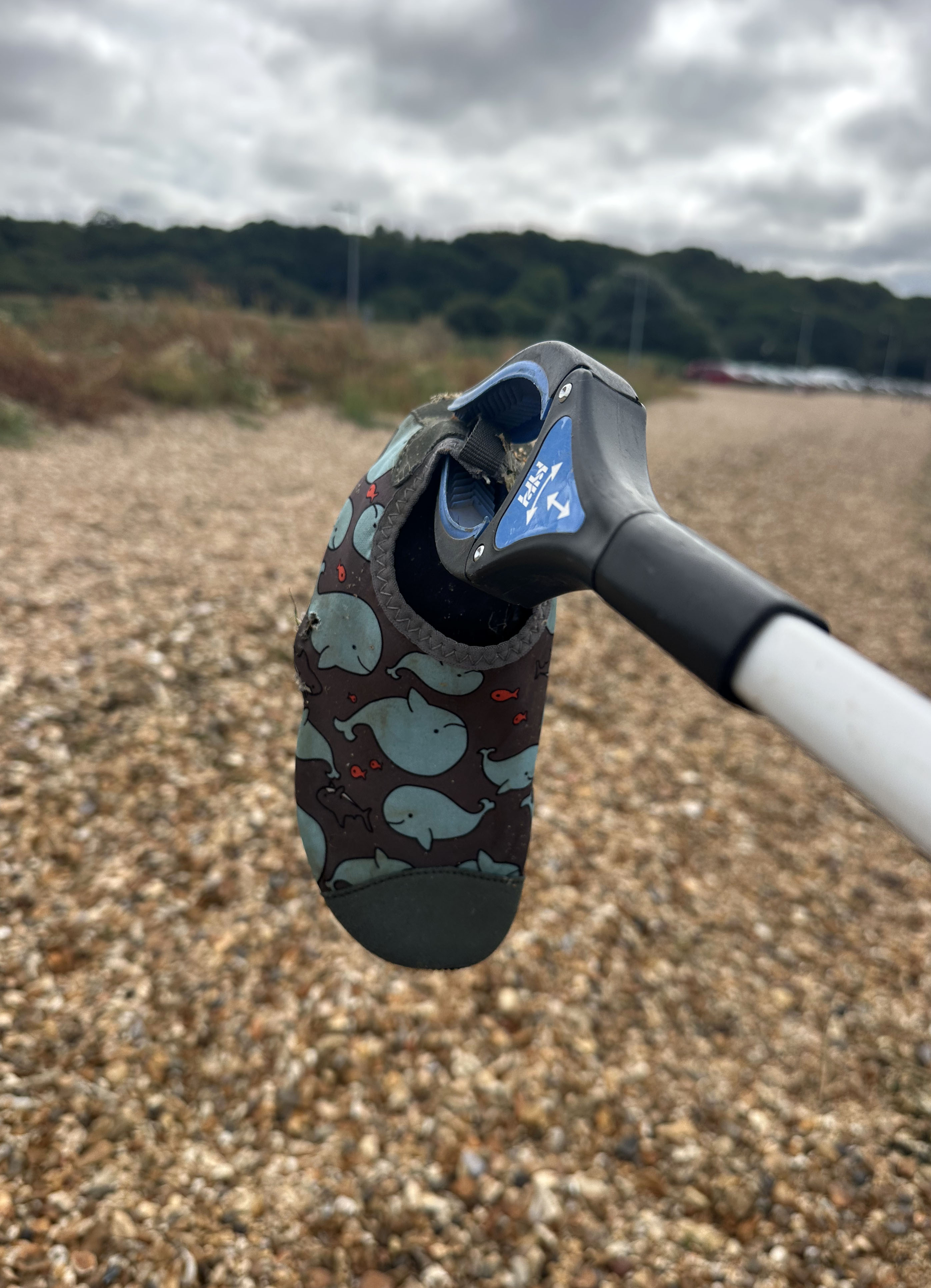
From your doorstep to the ocean, every action counts!
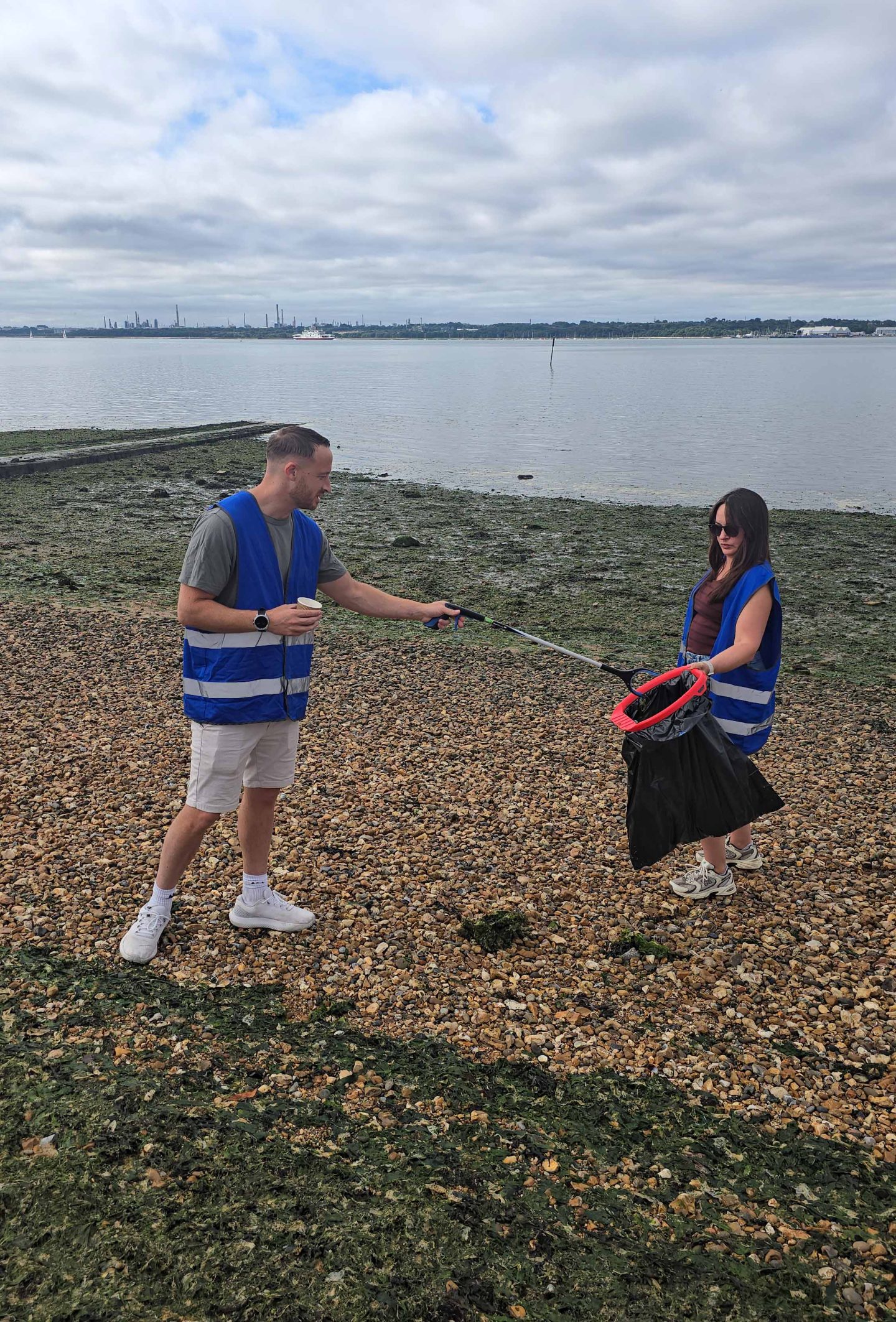
At Life’s a Beach, we believe tackling plastic pollution starts with the small actions we take every day. Whether we’re organising a beach clean, picking litter from a park, or visiting a school to talk about plastic pollution, our aim is the same: to prevent waste from entering the environment in the first place.
You don’t need to live by the sea to protect it. Every piece of litter picked up, every single-use plastic avoided and every conversation about protecting our planet helps make a difference.

