

Plastic is part of everyday life in schools, from lunch packaging and water bottles to classroom resources and craft supplies. While it can sometimes feel difficult to avoid, there are plenty of small changes schools can make to reduce plastic waste and help pupils develop habits that last a lifetime.
The good news is that schools don’t need to change everything overnight. A few practical steps, combined with a little creativity and pupil involvement, can make a real difference.


1. Encourage Reusable Lunchboxes and Water Bottles
Lunchboxes are a great place to start. Crisp packets, plastic wrappers and cling film can quickly add up across a school day. Encouraging reusable lunchboxes, sandwich containers and refillable water bottles can help reduce waste. Share simple tips with families, while remembering that small changes and reusing what you already have are just as valuable as buying new products.
2. Rethink Classroom Resources
From stationery to worksheets and art supplies, plastic is everywhere in the classroom. A few simple changes can help reduce waste:
- Reuse before replacing. Make the most of existing supplies before buying more.
- Share resources. Swap spare stationery, craft materials and equipment between classes.
- Get creative with scraps. Reuse clean packaging and cardboard for art projects and model-making.
- Avoid unnecessary laminating. Only laminate resources when needed, as it makes paper harder to recycle.
- Choose durable supplies. Opt for reusable classroom equipment over disposable alternatives where possible.
Small changes can cut waste, save money and show pupils how to make more sustainable choices.
3. Make Recycling Easier
Clear, well-labelled recycling bins help pupils sort waste correctly. Get children involved by making posters to show what can be recycled and where it belongs and check your local council’s recycling guidance.
Use every day rubbish to spark conversations about waste, but remember that reducing what we throw away in the first place is even better than recycling.


4. Put Pupils in Charge of Making a Difference
One of the best ways to help children understand plastic pollution is to give them an active role in tackling it.
A pupil-led environmental group or eco-council can help turn ideas into action. Children could carry out a classroom waste audit, look at how much single-use plastic is thrown away during lunchtimes, or come up with ideas for reducing waste around the school.
Other activities could include:
- Running a plastic-free lunch challenge.
- Creating posters to remind classmates to refill their water bottles.
- Organising a school litter pick.
- Holding an assembly about plastic pollution.
- Tracking the school’s progress towards reducing waste.
Giving pupils responsibility helps them see that their actions matter. It also gives them the opportunity to develop teamwork, problem-solving and leadership skills along the way.

5. Take Learning Outside the Classroom- We Can Help!
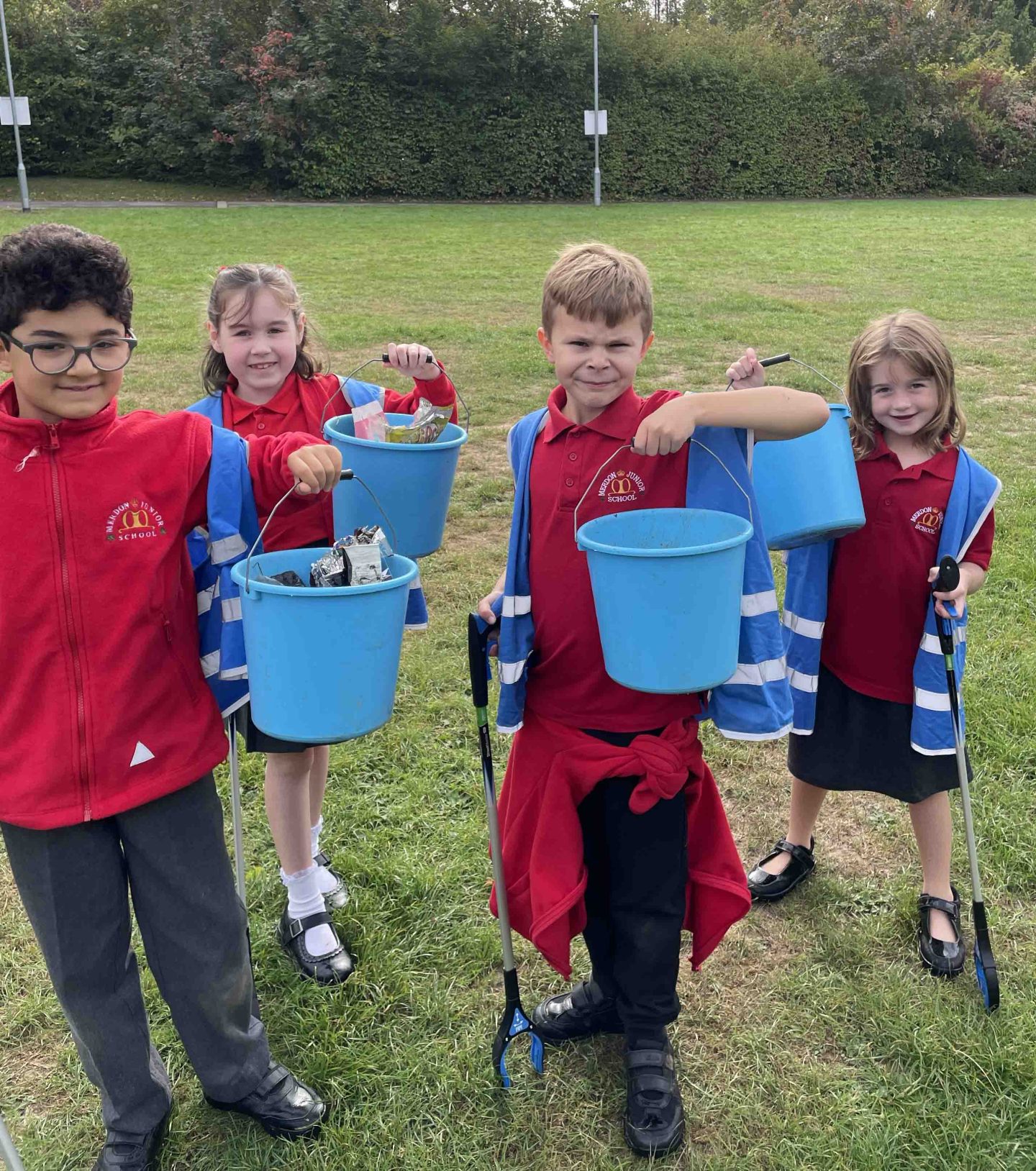
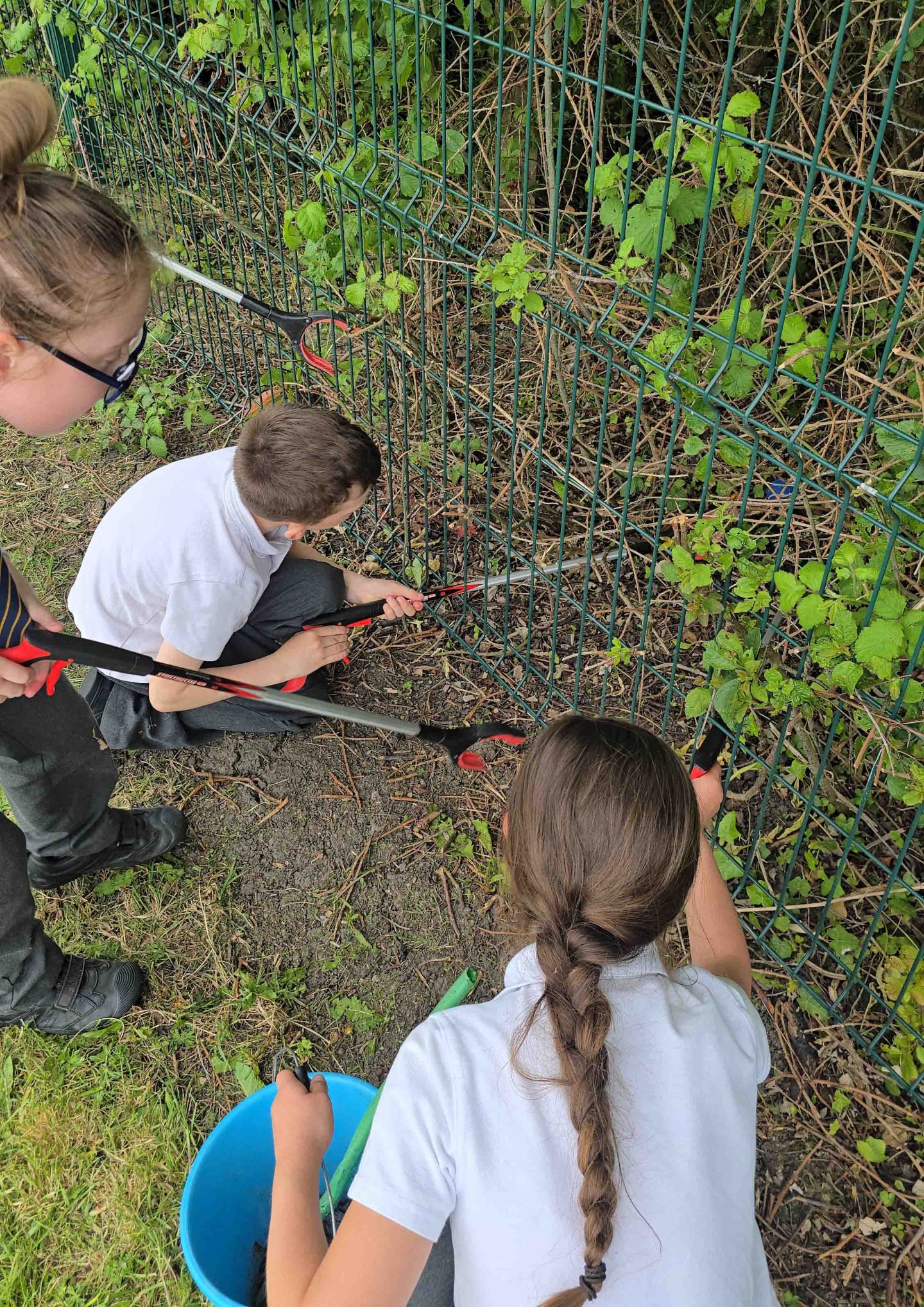
Plastic pollution doesn’t stop at the school gates. Litter can travel from streets and parks into rivers and eventually reach the sea. Taking pupils outside for a litter pick helps them see the problem first-hand and understand how their actions can protect the environment.
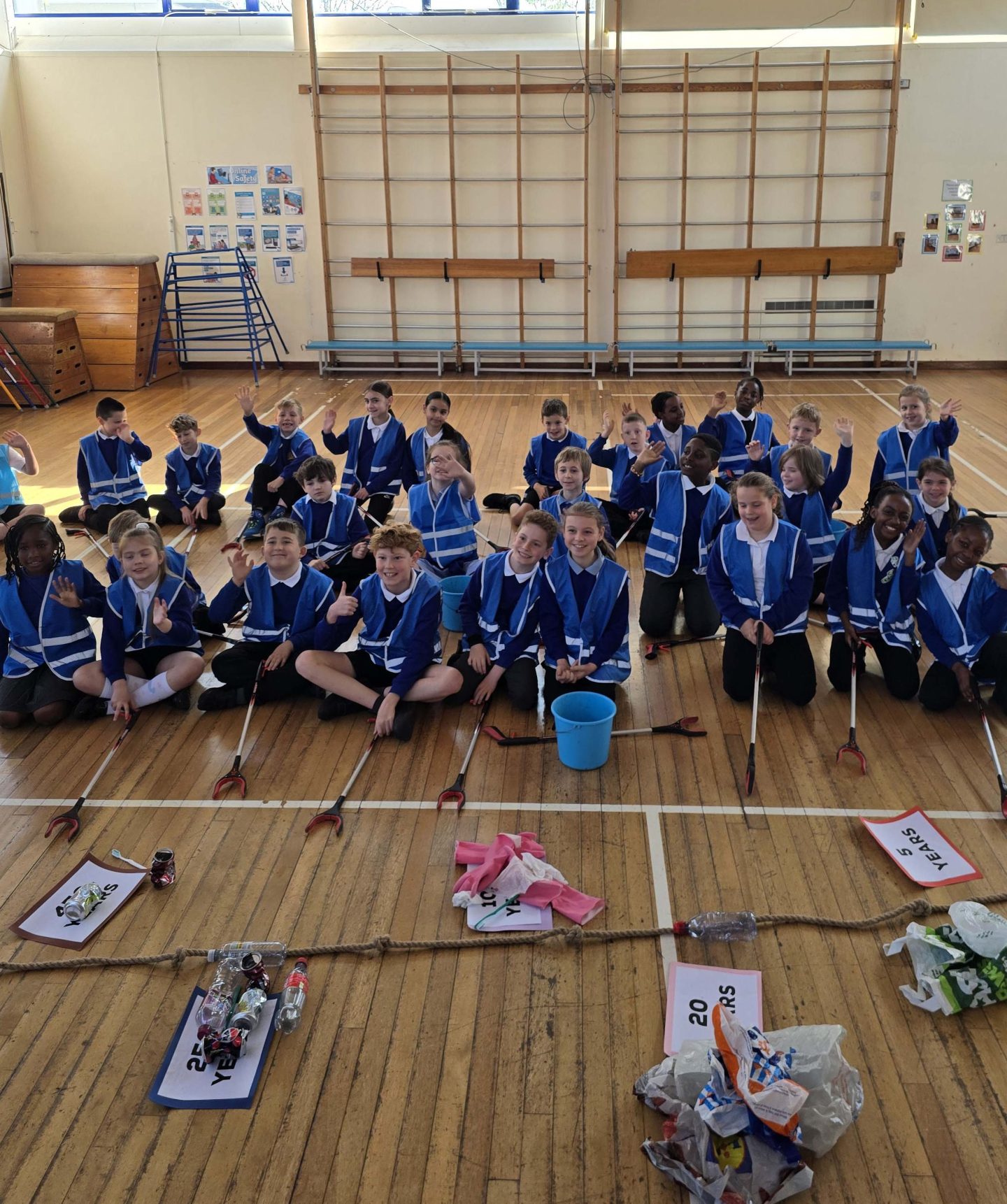
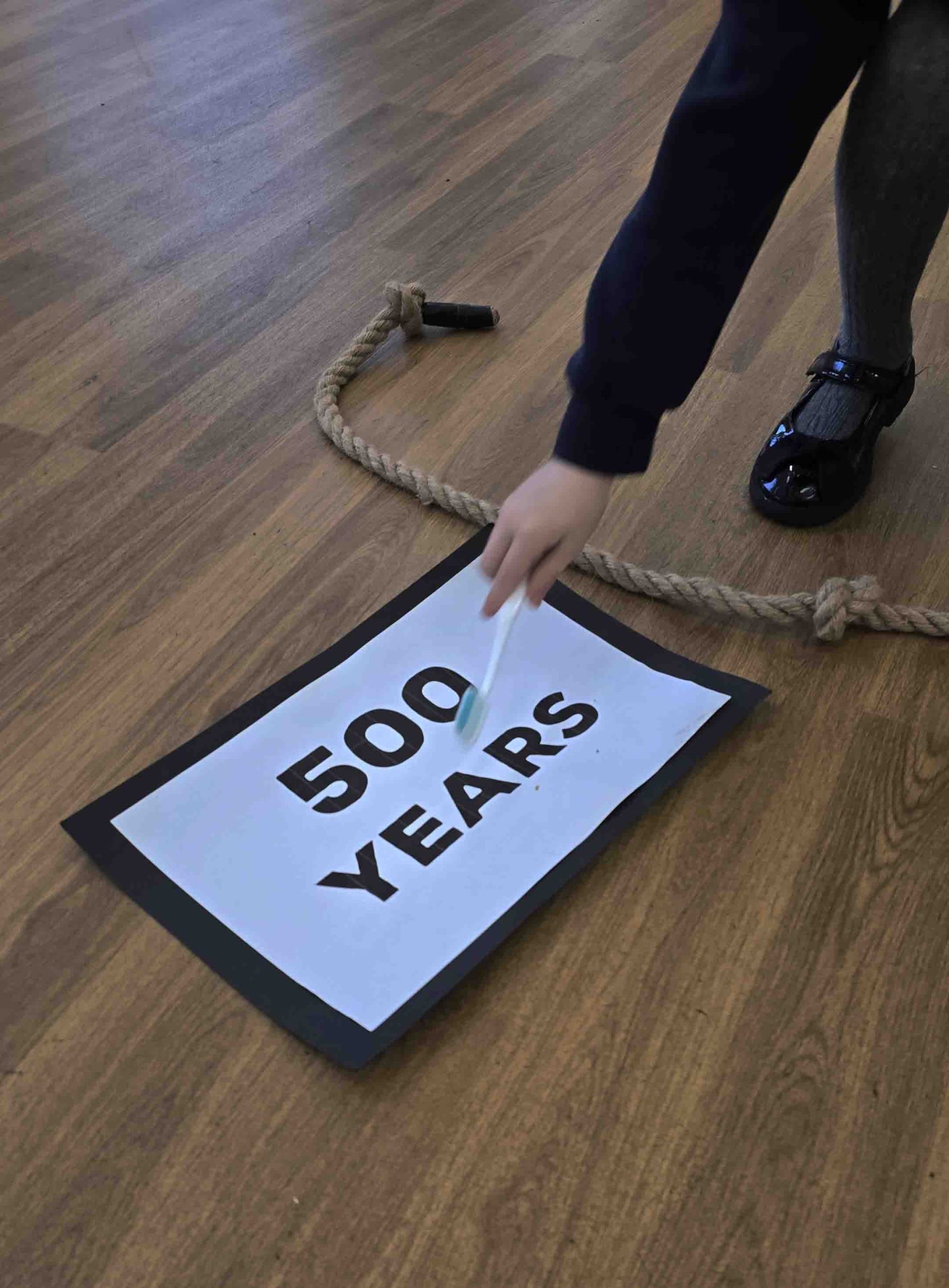
At Life’s a Beach, we help schools turn learning into action through our free education days. Our visits include engaging assemblies, workshops exploring recycling and plastic pollution, our decomposition timeline activity, poster-making workshops, and hands-on school or local litter picks.
By combining education with practical activities, we help children understand plastic pollution and feel empowered to make a difference in their school and local community, all without costing your school a penny.


Want to help your pupils take action against plastic pollution?
Find out more about our education days here or email hello@lifesabeach.org to find out how we could work with your school.

